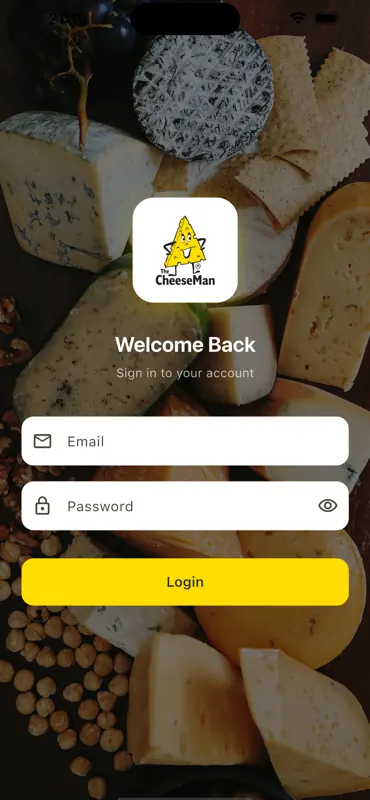
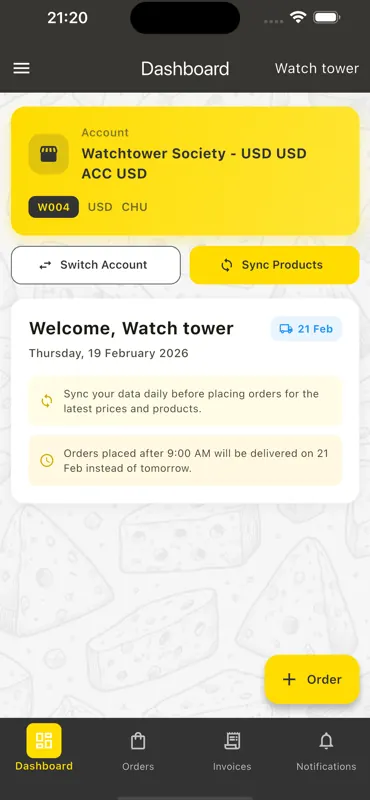
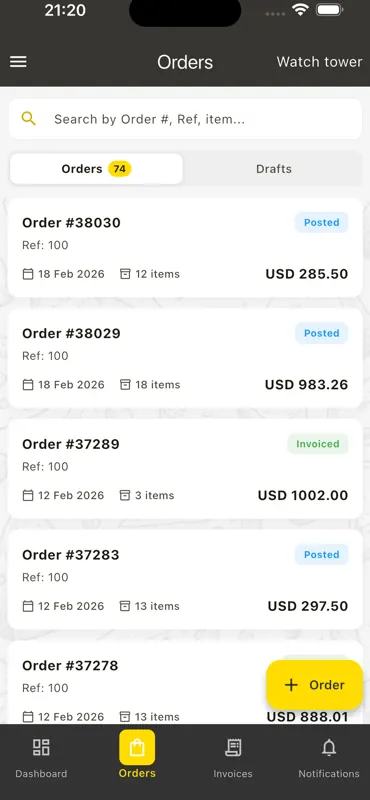
The Cheeseman
E-commerce · React Native
My work
Cross-platform and native mobile applications that deliver seamless experiences on every device. I design and develop mobile apps in Harare that help businesses across Zimbabwe connect with their customers, streamline operations, and unlock new revenue opportunities through iOS and Android platforms.
Mobile first
We live in a mobile-first world. In Zimbabwe, smartphone penetration continues to grow rapidly, and for many users, their phone is their primary gateway to the internet. Businesses that fail to meet their customers on mobile risk losing them to competitors who do. A well-built mobile application gives your business a direct, always-accessible channel to your audience, sitting right on their home screen alongside the apps they use every day. Whether your goal is to improve customer engagement, streamline internal operations, or launch an entirely new digital product, mobile app development is one of the highest-impact investments a business can make today.
As a mobile app developer based in Harare, I bring both technical depth and practical business understanding to every project. I have built apps for startups with bold ideas and established companies looking to extend their digital presence. I understand the unique considerations of building for the African market, including varying network conditions, diverse device capabilities, and the need for lightweight, data-efficient applications that perform well even on mid-range hardware. Every app I develop is tested across real devices and optimized for the conditions your actual users will encounter.
Choosing the right development approach is critical to your app's success and your budget. I specialize in cross-platform development using React Native and Flutter, which allow me to build a single codebase that runs natively on both iOS and Android. This approach significantly reduces development time and cost compared to building two separate native apps, while still delivering excellent performance and a native look and feel. For projects that demand platform-specific capabilities, I also develop fully native applications. During our consultation, I will recommend the approach that best balances your goals, timeline, and budget.
Featured project

Card game for iOS & Android
Zimbabwe's favourite card game, now on your phone.
The beloved African card game we grew up playing, rebuilt for mobile. Play online with up to 5 friends in private rooms, take on smart AI opponents offline, add friends and challenge them directly, and climb the ranks in weekend tournaments.
Portfolio
A selection of mobile applications I have designed and developed for clients across various industries. Each project was built with a focus on performance, user experience, and real-world usability. Swipe through each device to see multiple screens.
E-commerce · React Native
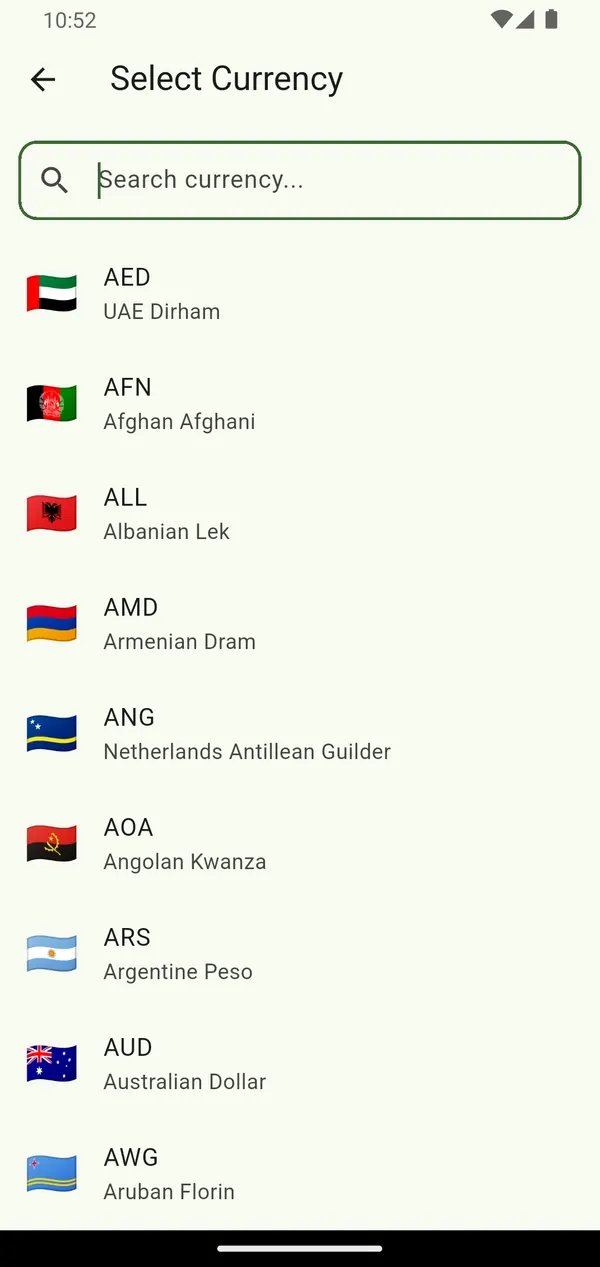
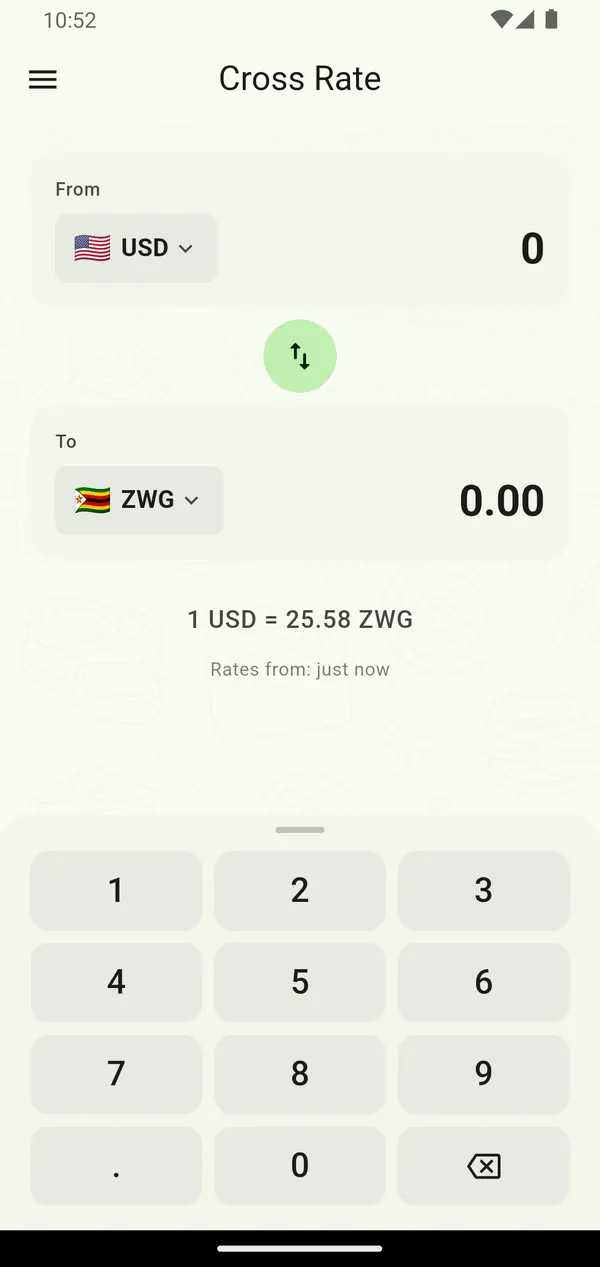
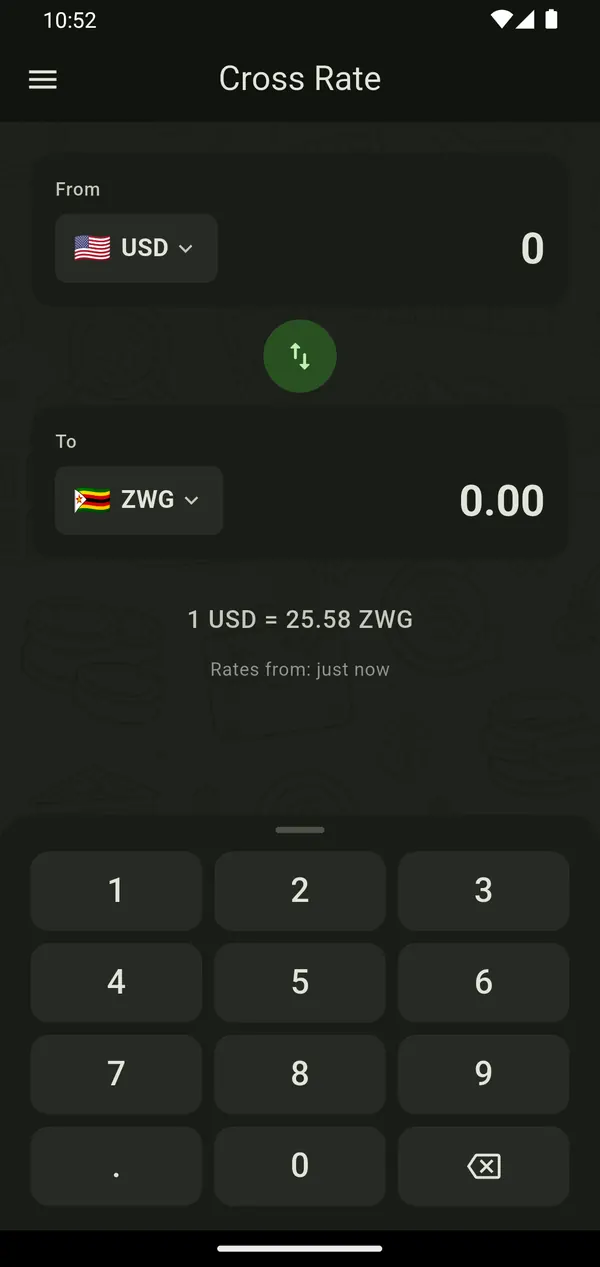
Finance · Currency Exchange
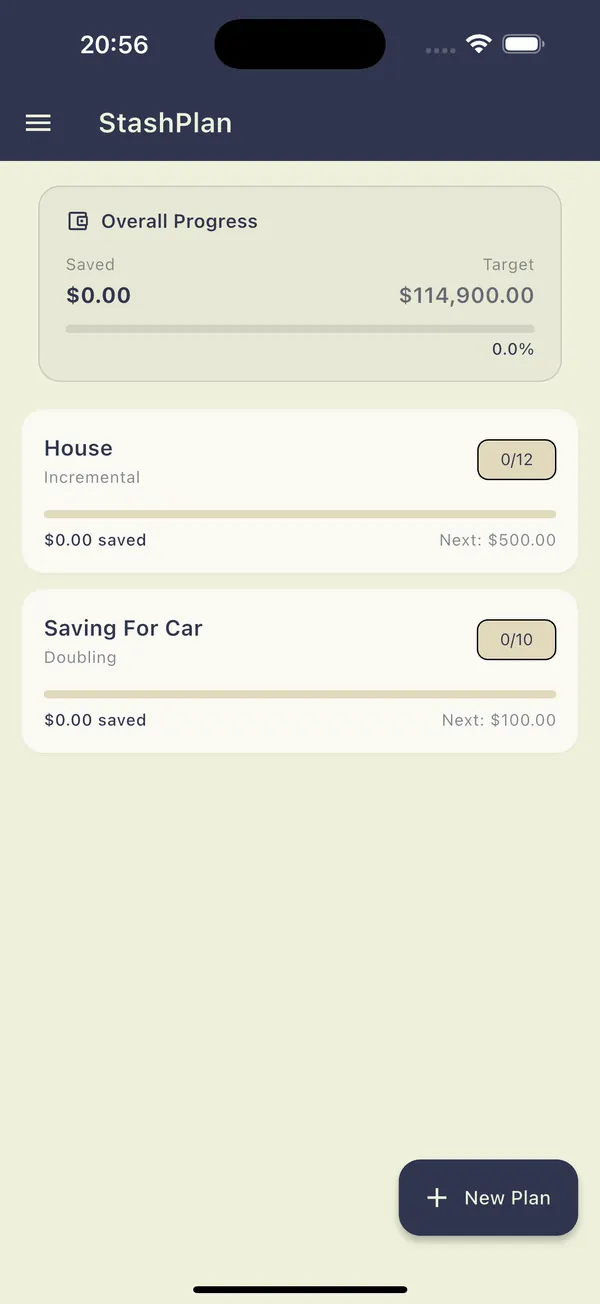
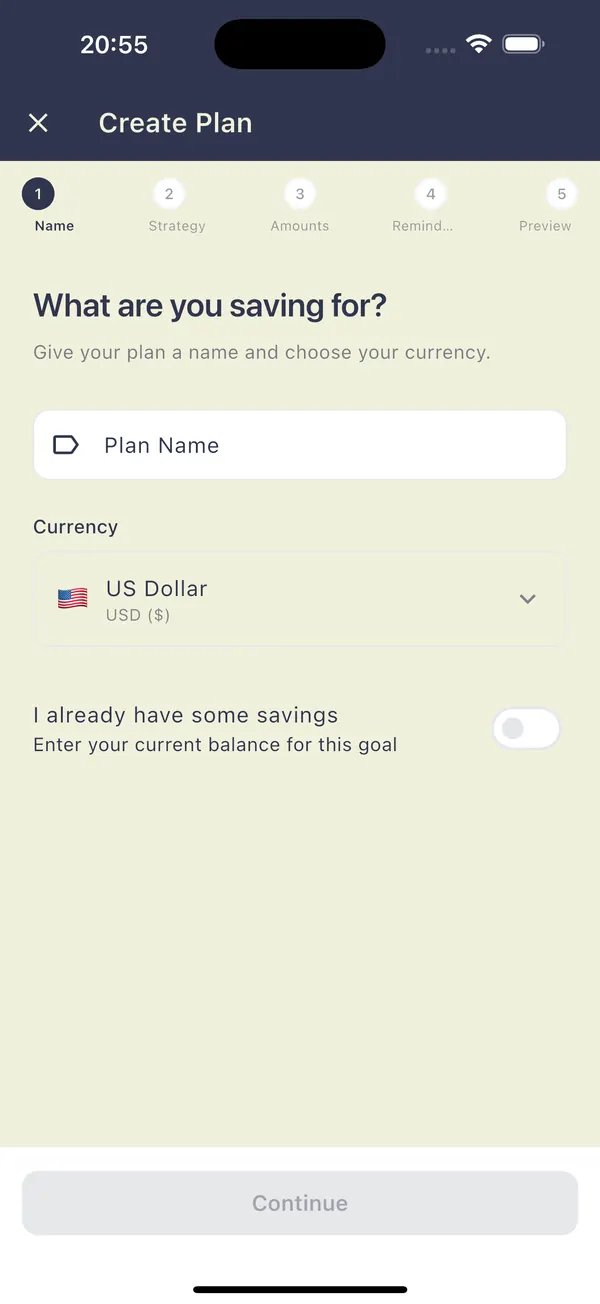
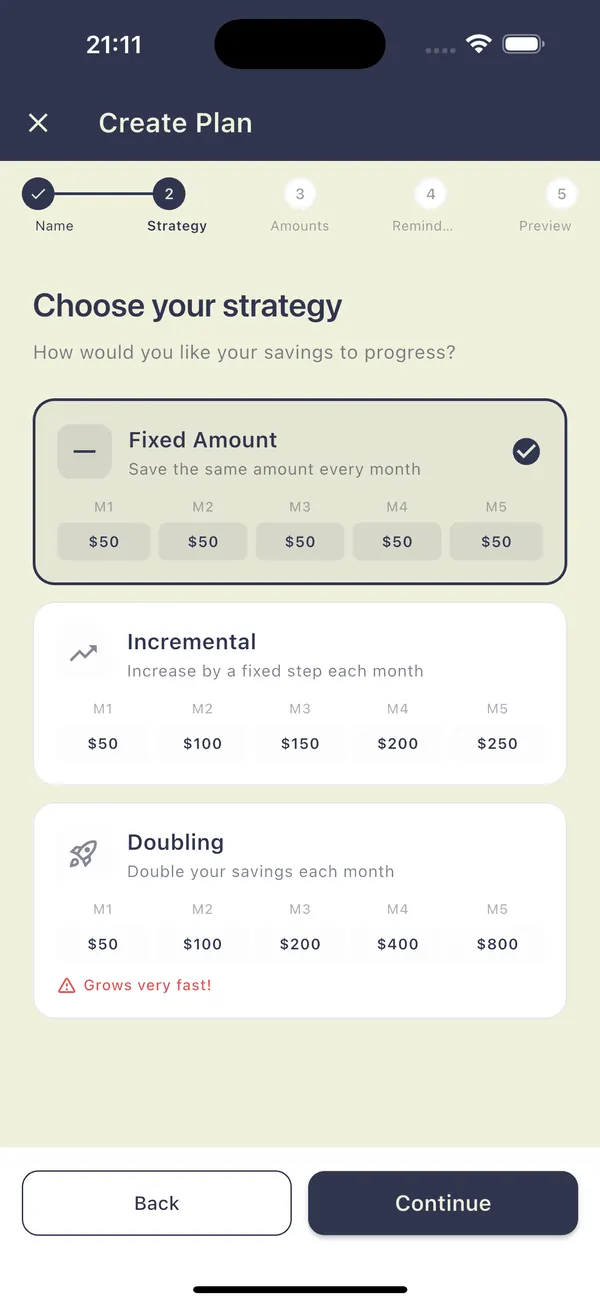
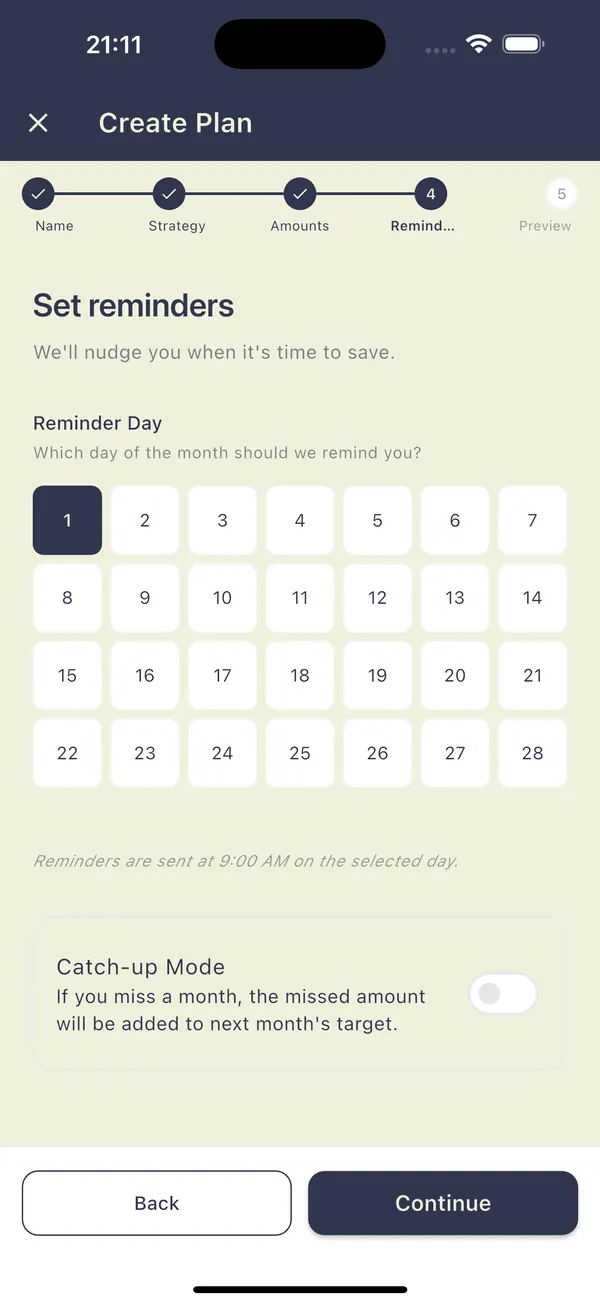
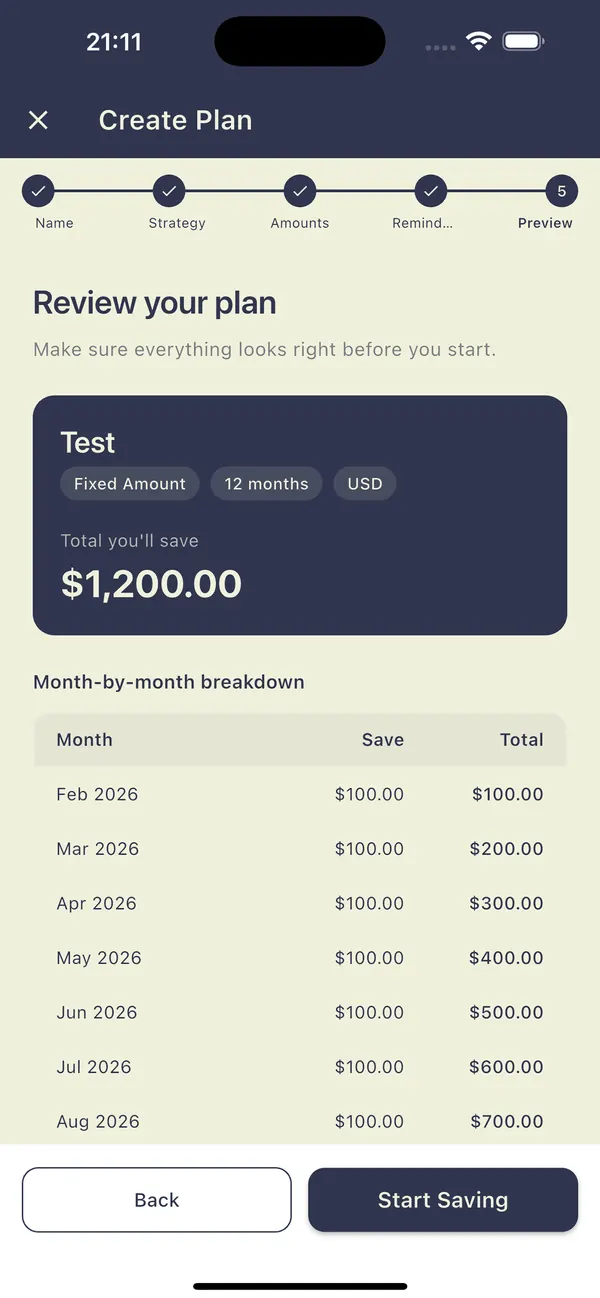
Finance · Budget Planning
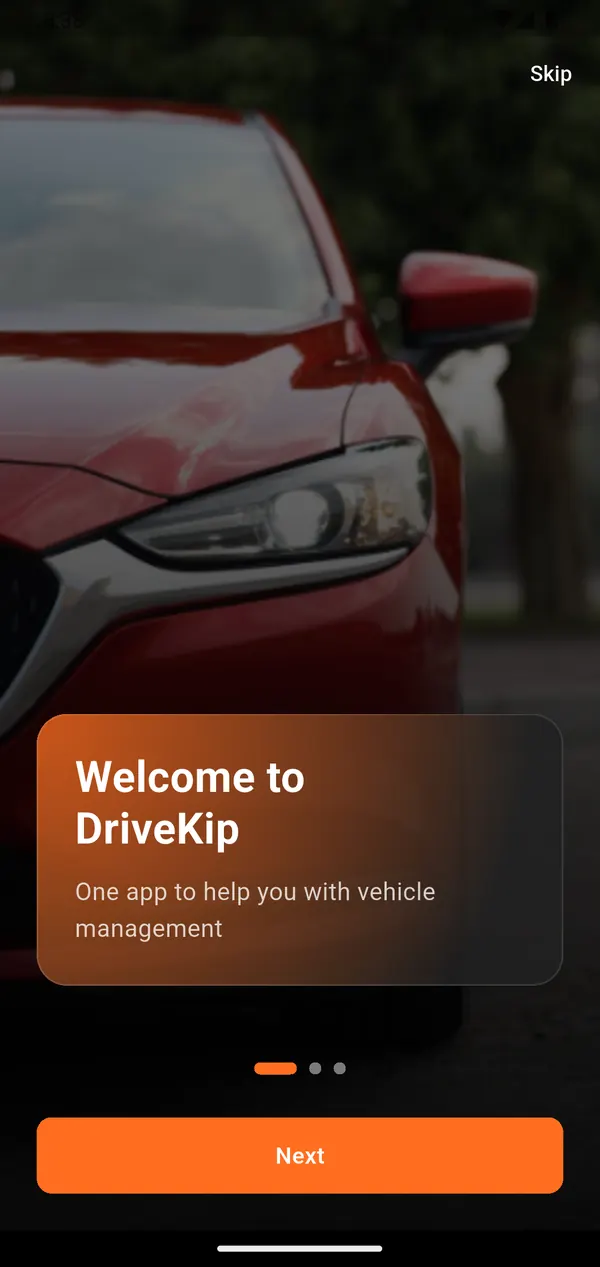
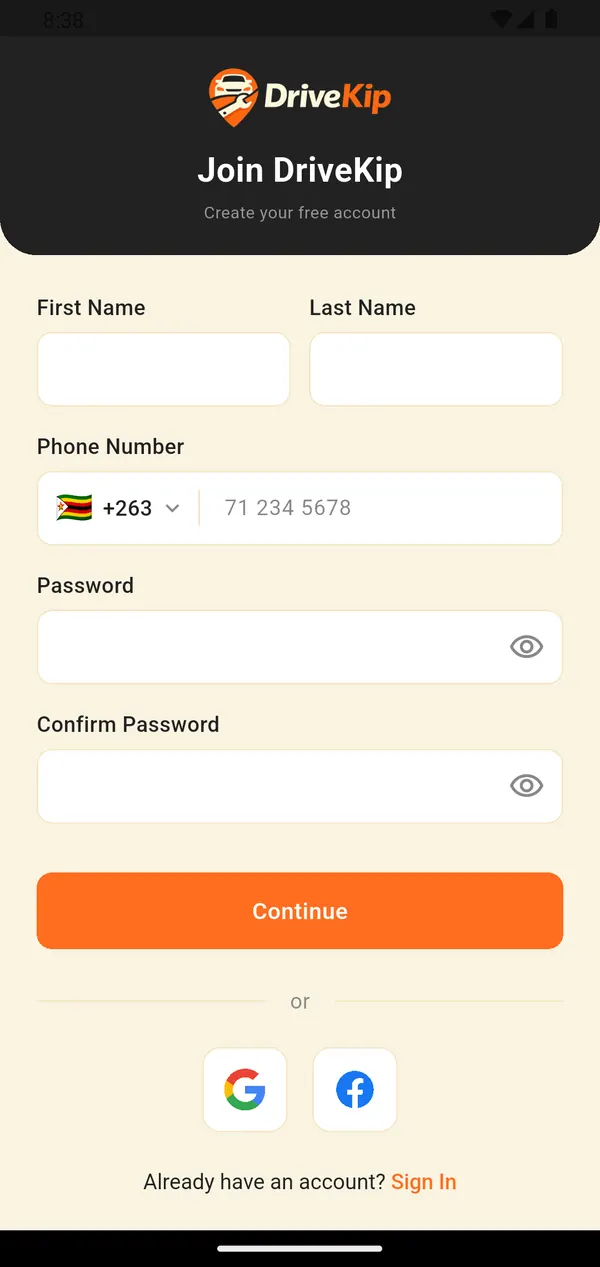
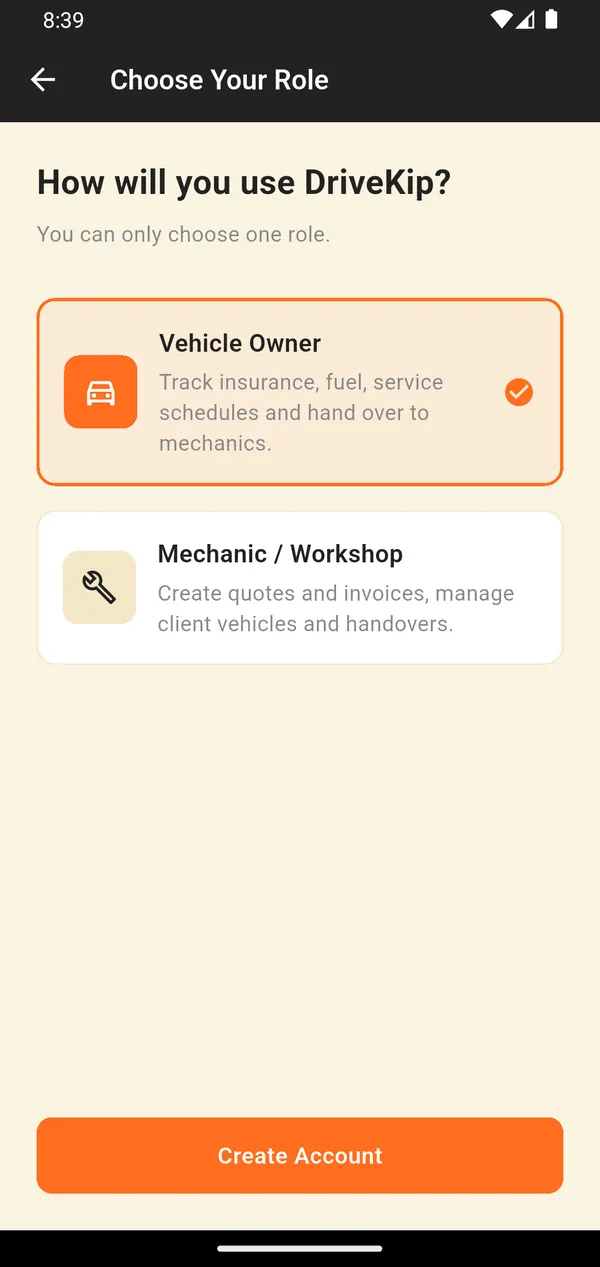
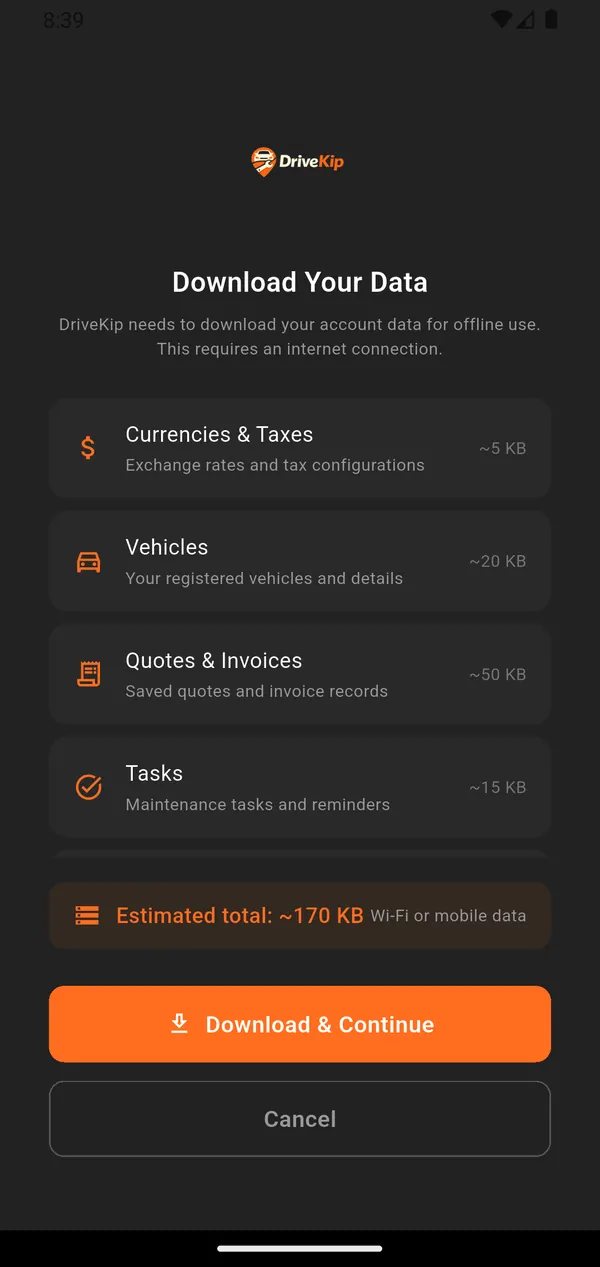
Transport · Driver Management
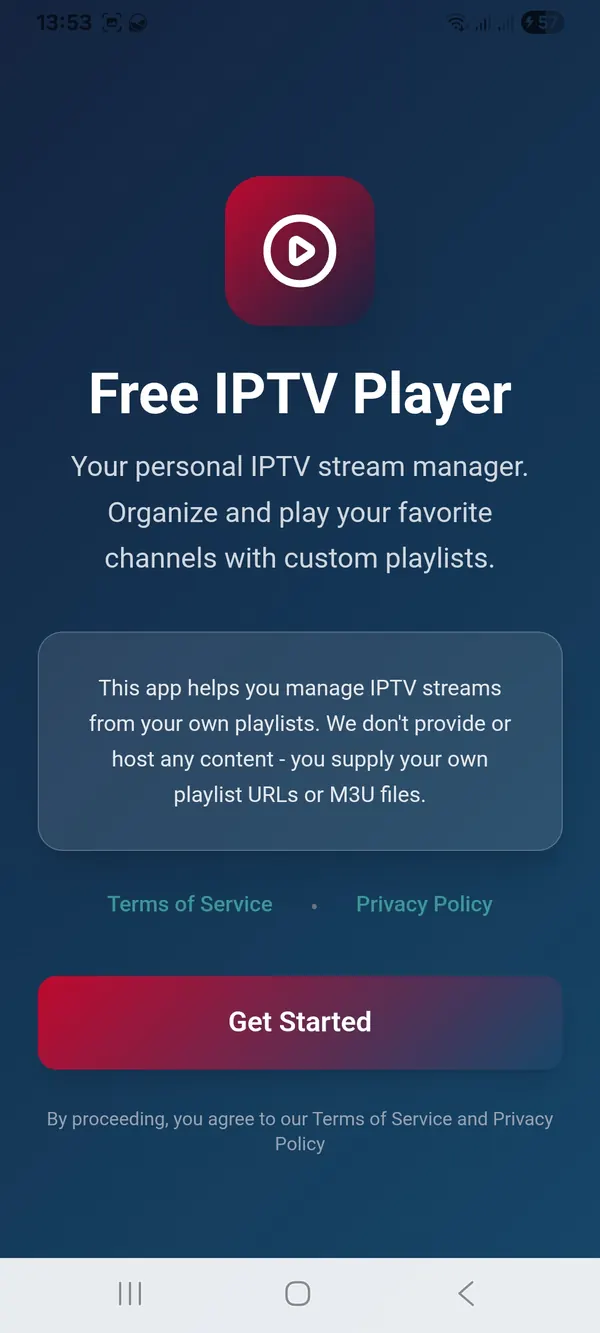
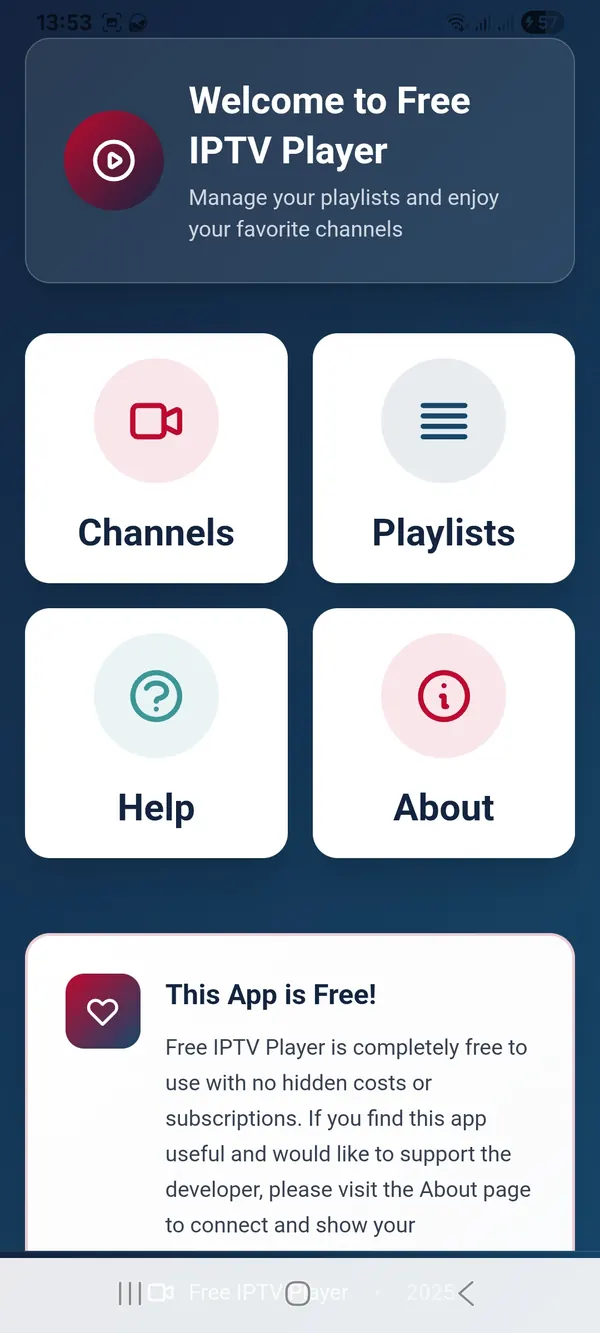
Entertainment · Streaming
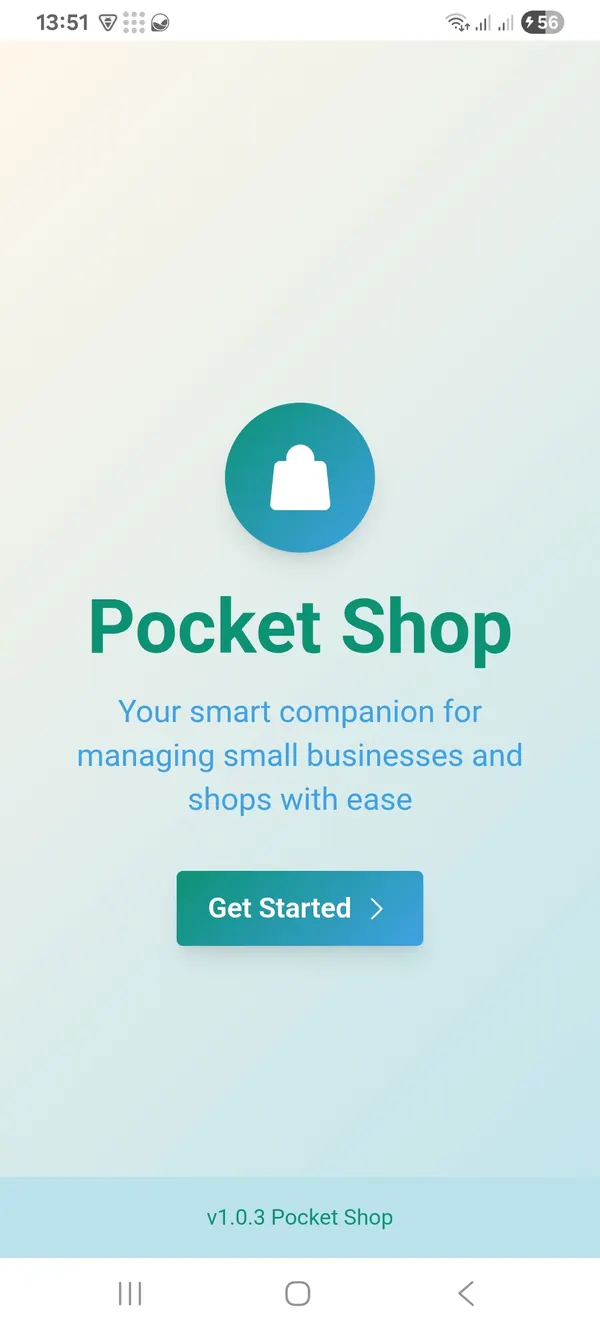
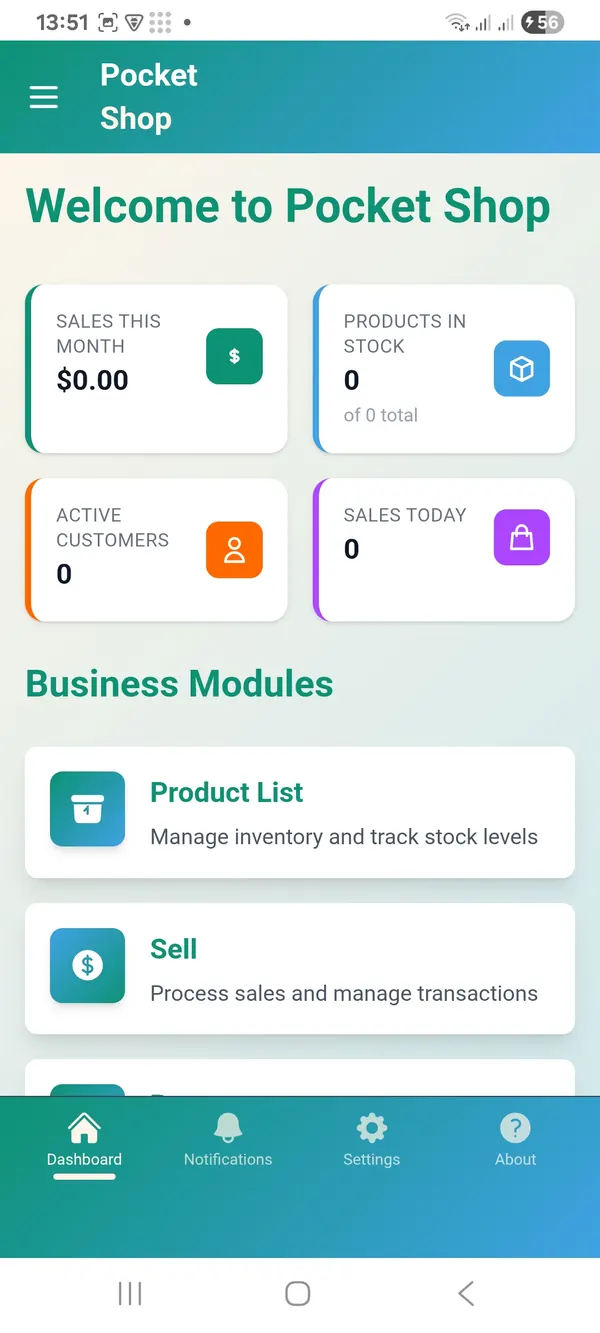
E-commerce · Mobile Shopping
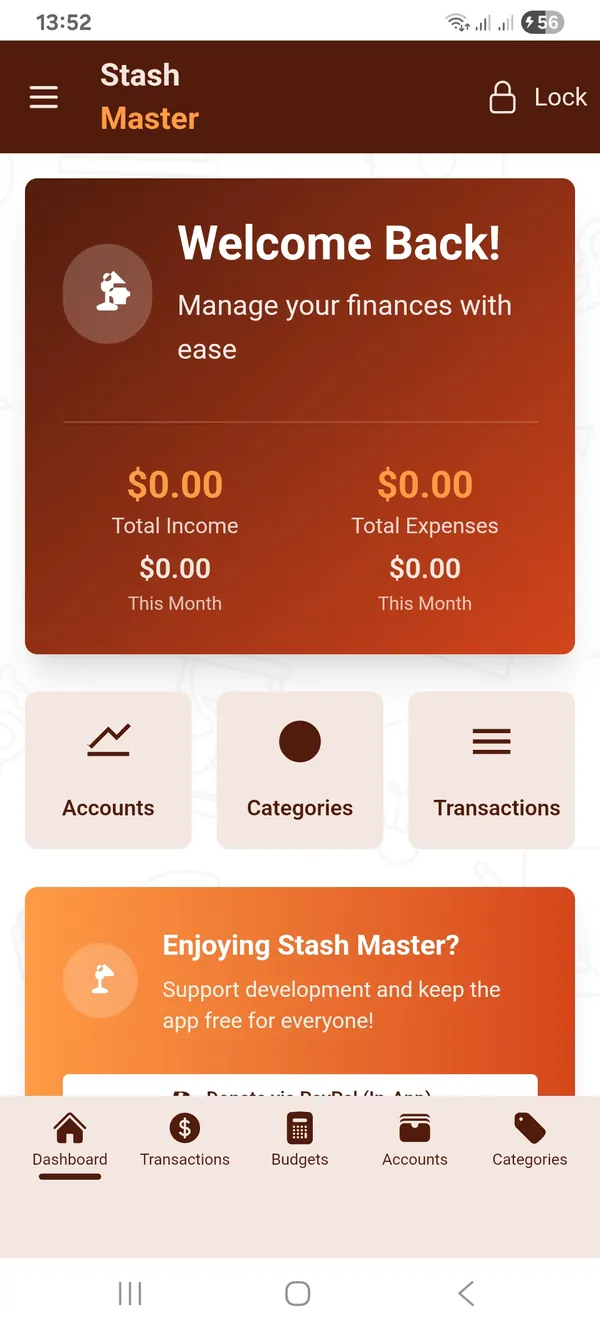
Finance · Savings Tracker
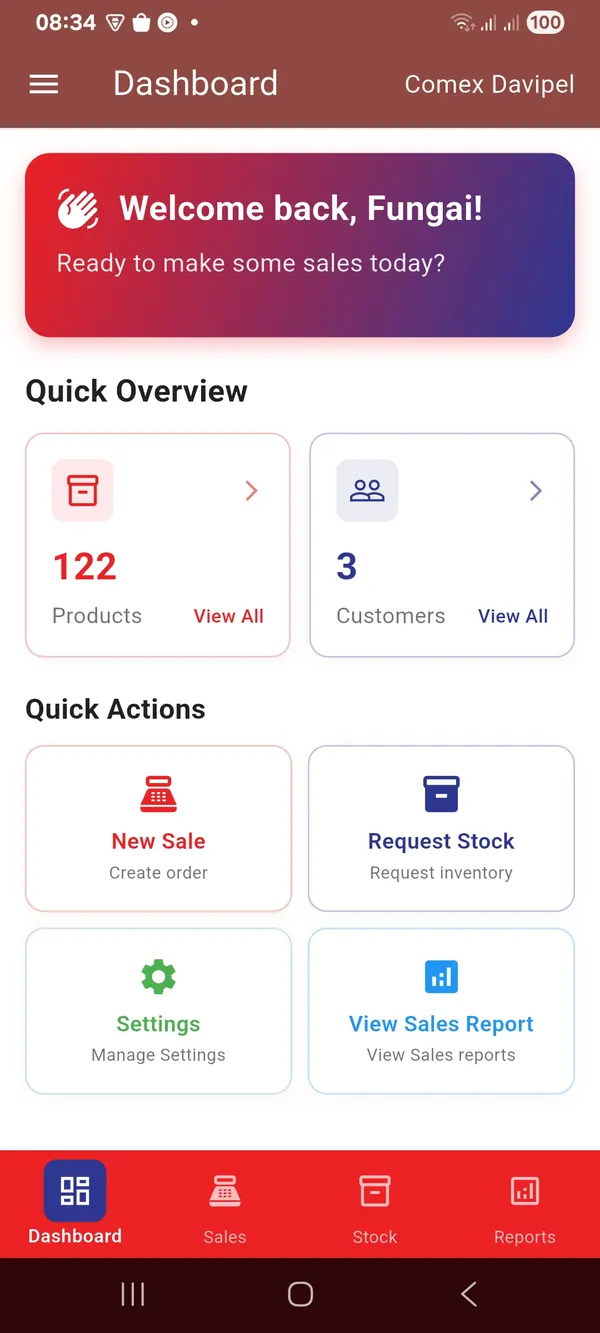
Business · Corporate App
15+ apps published on Google Play and the App Store.
Platforms
From concept to app store, I develop mobile applications that users love. Here are the platforms and technologies I work with to bring your app idea to life.
React Native is my primary cross-platform framework, enabling me to build high-performance mobile applications from a shared JavaScript and TypeScript codebase that runs natively on both iOS and Android. With React Native, your app benefits from a rich ecosystem of libraries, near-native performance, and the ability to share code with React-based web applications. This framework is ideal for businesses that want to reach both platforms quickly without sacrificing quality, and it allows for rapid iteration and feature updates after launch.
Flutter, developed by Google, is a powerful cross-platform framework that produces beautifully rendered, natively compiled applications from a single Dart codebase. Flutter excels at delivering pixel-perfect custom UI designs with smooth animations and transitions that feel truly native on both platforms. I recommend Flutter for projects where visual design and UI polish are top priorities, or when the app requires complex custom widgets and interactions that go beyond standard platform components.
For projects that target Apple's ecosystem exclusively or require deep integration with iOS-specific features, I build native iOS applications using Swift and SwiftUI. Native iOS development gives you access to the full range of Apple frameworks including ARKit, HealthKit, CoreML, and advanced camera APIs. I follow Apple's Human Interface Guidelines to ensure your app feels natural and intuitive to iPhone and iPad users, and I handle the full App Store submission process including app review compliance and metadata optimization.
When your project requires native Android capabilities or targets the Android ecosystem specifically, I develop using Kotlin and Jetpack Compose following Google's Material Design guidelines. Native Android development provides access to platform-specific features including background services, custom notifications, widgets, and hardware integrations. I optimize for the wide variety of Android devices and screen sizes in the market, ensuring your app performs reliably across manufacturers from Samsung and Google to Huawei and Xiaomi devices commonly used across Zimbabwe and Africa.
A mobile app is only as powerful as the services it connects to. I specialize in integrating mobile applications with backend APIs, third-party services, and real-time data sources. Whether your app needs to communicate with your existing web system, process payments through Stripe or local payment gateways, display maps and location data, integrate with social media platforms, or synchronize data across devices, I build robust, efficient API integrations with proper error handling, offline support, and data caching to ensure a reliable user experience even on unstable networks.
Getting your app published on the Apple App Store and Google Play Store involves much more than uploading a file. I handle the entire deployment process including creating developer accounts, preparing app store listings with optimized descriptions and keywords, designing screenshots and promotional graphics, configuring in-app purchases or subscriptions if applicable, and navigating the review process for both platforms. I also set up over-the-air update mechanisms and analytics tracking so you can monitor performance and push updates efficiently after launch.
Process
My mobile app development process is structured to turn your idea into a polished, store-ready application through clear phases, regular communication, and continuous testing.
Every great app starts with a clear vision. During the concept phase, I work with you to define the core purpose of your app, identify your target users, and map out the features that will make it valuable. We discuss platform strategy, deciding whether to build for iOS, Android, or both, and which technology framework best suits your needs. I create detailed user stories, feature specifications, and a project roadmap that breaks the development into manageable milestones. This planning ensures we build the right product and avoid costly scope changes later in the process.
Before writing a single line of code, I design interactive prototypes that let you see and feel how your app will work. Using tools like Figma, I create high-fidelity screen designs for every major screen and user flow in your application. These clickable prototypes can be shared with stakeholders and tested with real users to validate the user experience, identify usability issues, and refine the interface design. This iterative design process saves significant development time by resolving design questions early when changes are quick and inexpensive to make.
With approved designs in hand, I move into agile development, building your app in iterative sprints with regular demo builds that you can install and test on your own device. I write clean, well-structured code with automated testing to catch bugs early and ensure reliability. Throughout development, I test on real physical devices across different screen sizes and operating system versions, not just simulators, to guarantee that the app performs well in real-world conditions. You receive progress updates and working builds every one to two weeks, keeping you fully informed and involved throughout the build process.
Launch day is exciting, and I make sure everything is prepared for a smooth release. I handle app store submission for both iOS and Android, including all required metadata, screenshots, privacy policies, and compliance documentation. I prepare marketing assets including app preview videos and promotional graphics. After your app goes live, I monitor crash reports, user feedback, and performance metrics closely during the critical first weeks. I provide post-launch support to address any issues quickly, and I am available to develop subsequent updates, new features, and improvements based on real user data and feedback.
Benefits
A mobile application offers unique advantages that a website alone cannot provide. Here are the key reasons businesses in Zimbabwe and across Africa are investing in mobile app development.
A mobile app lives on your customer's device, providing a direct and personal channel to engage with your audience. Unlike a website that requires users to remember your URL and navigate to it, your app icon sits on their home screen ready to be tapped at any moment. This constant visibility keeps your brand top of mind and dramatically increases the frequency with which customers interact with your business. Push notifications allow you to re-engage users with timely offers, updates, and reminders without spending money on advertising.
Native and cross-platform mobile apps are significantly faster and more responsive than mobile websites. Apps store data locally on the device, reducing the need for constant network requests and enabling features that work offline. Animations are smoother, navigation is more fluid, and the overall experience feels more polished and professional. For businesses where user experience directly impacts revenue, such as e-commerce, fintech, or service delivery, the performance advantage of a mobile app translates directly into higher conversion rates and customer satisfaction.
Push notifications are one of the most powerful tools available for customer retention and engagement. With a mobile app, you can send targeted, timely messages directly to your users' devices, whether it is a flash sale announcement, a delivery status update, a booking reminder, or personalized content recommendations. Unlike email, which often goes unread, push notifications achieve significantly higher open rates and can be configured with rich media, action buttons, and deep links that take users directly to the relevant screen in your app.
In many parts of Zimbabwe and across Africa, internet connectivity can be intermittent or slow. A well-designed mobile app can function partially or fully offline, caching essential data on the device and synchronizing changes when a connection becomes available. This is a critical advantage for field workers, delivery personnel, sales teams, and customers in areas with unreliable network coverage. I design offline-capable architectures that ensure your app remains useful and productive regardless of connectivity conditions, which is something a website simply cannot offer.
Mobile apps can access hardware features that websites cannot, including the camera, GPS, accelerometer, biometric sensors, Bluetooth, NFC, and local file storage. These capabilities enable powerful use cases such as barcode scanning for inventory management, location tracking for delivery services, biometric authentication for secure login, camera integration for document scanning, and Bluetooth connectivity for IoT devices. If your business idea requires deep integration with device hardware, a native or cross-platform mobile app is the only way to deliver that functionality reliably.
Mobile apps provide rich analytics data that goes far beyond what web analytics can offer. You can track detailed user behaviour patterns including screen flow, session duration, feature usage frequency, drop-off points, and engagement over time. This data helps you understand exactly how customers use your app, which features they value most, and where the experience can be improved. Combined with A/B testing capabilities, these insights allow you to continuously optimize your app based on real user data, making informed decisions about feature development and user experience improvements.
FAQ
Here are answers to common questions about mobile app development. If you have a specific question about your project, I am happy to discuss it during a free consultation.
Both React Native and Flutter are excellent cross-platform frameworks, and the best choice depends on your specific project requirements. React Native is ideal if you have an existing React web application and want to share code between web and mobile, or if your development team is already familiar with JavaScript and TypeScript. Flutter excels when your app requires highly customized, visually complex UI designs with smooth animations, and it tends to offer slightly better performance for graphics-intensive applications. During our initial consultation, I evaluate your project needs, team capabilities, and long-term goals to recommend the framework that will deliver the best results for your specific situation.
The development timeline for a mobile app depends on its complexity, the number of features, and whether it needs a custom backend. A simple app with a few core screens and basic functionality typically takes six to ten weeks. A medium-complexity app with user authentication, API integration, push notifications, and multiple user flows usually takes three to four months. Complex apps with features like real-time messaging, payment processing, map integration, and admin dashboards can take five to eight months or longer. I provide a detailed project timeline during the planning phase with clear milestones, and I deliver working demo builds regularly so you can track progress throughout the development process.
Yes, I handle the complete app store submission process for both the Apple App Store and Google Play Store. This includes setting up developer accounts if you do not already have them, preparing all required assets such as app icons, screenshots, and promotional graphics, writing optimized app store descriptions with relevant keywords, configuring privacy policies and data handling declarations, and managing the review and approval process. Apple's review process in particular can be strict, and I have experience navigating their guidelines to ensure your app is approved efficiently. I also set up app store analytics and handle subsequent version updates and submissions after the initial launch.
Absolutely. Push notifications are a standard feature I implement in most mobile applications. I integrate push notification services such as Firebase Cloud Messaging, which supports both iOS and Android, and build the backend infrastructure needed to send targeted notifications based on user segments, behaviour triggers, or scheduled campaigns. I implement proper notification permission handling to maximize opt-in rates, support rich notifications with images and action buttons, and configure notification channels on Android for user-customizable notification preferences. I also help you develop a notification strategy that engages users without being intrusive, which is crucial for maintaining high retention rates.
Mobile app development costs vary significantly based on complexity, features, platform requirements, and whether a custom backend is needed. A straightforward single-platform app with basic features might start at a lower investment, while a feature-rich cross-platform application with a custom backend, admin panel, and third-party integrations represents a larger investment. Rather than providing generic price ranges that may not apply to your specific project, I prefer to discuss your requirements in detail and provide a transparent, itemized quote that breaks down costs by feature and development phase. This approach ensures you understand exactly what you are paying for and can make informed decisions about which features to prioritize within your budget. Contact me for a free consultation and custom quote.
Yes, and in fact most of my mobile app projects target both iOS and Android simultaneously using cross-platform frameworks like React Native or Flutter. This approach allows me to write a single codebase that compiles to native applications for both platforms, significantly reducing development time and cost compared to building two separate native apps. The resulting apps look and feel native on each platform, respecting platform-specific design conventions and interface patterns. For projects that require capabilities only available through native development, I can also build dedicated iOS and Android applications. During our consultation, I will recommend the approach that best balances your target audience, feature requirements, timeline, and budget.
Whether you have a detailed app concept ready to go or just the seed of an idea that needs shaping, I am here to help you bring it to life. As a mobile app developer in Harare, Zimbabwe, I combine technical expertise in React Native, Flutter, and native development with a deep understanding of what makes apps succeed in the African market and beyond. Get in touch today for a free consultation where we can discuss your vision, explore the right technology approach, and map out a plan to get your app into the hands of users.